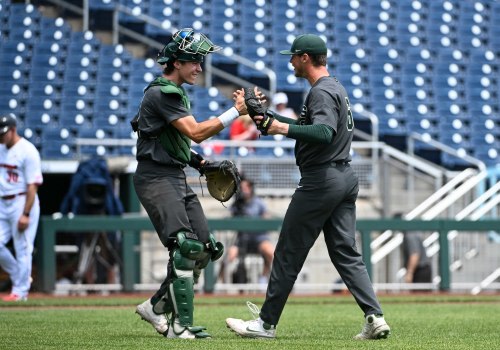
When spectators attend a competitive baseball event, their focus is naturally on the athletes, coaches, and action taking place on the field. What often goes unnoticed, however, is the extensive logistical planning that supports the event behind the scenes. Transportation and equipment management play critical roles in ensuring that baseball tournaments, leagues, showcases, and championship competitions operate smoothly. Without effective coordination of people, gear, and resources, even the most talented teams may face unnecessary challenges that affect performance and the overall event experience. While athletic skill ultimately determines outcomes on the field, logistical efficiency often determines whether an event unfolds successfully.
Competitive baseball requires a significant amount of specialized equipment. Teams typically travel with bats, helmets, catcher’s gear, training equipment, uniforms, medical supplies, practice aids, and various other items necessary for preparation and competition. Tournament organizers must also manage field maintenance equipment, scorekeeping systems, fencing, seating arrangements, signage, and facility resources. Ensuring that all necessary equipment arrives at the correct location and remains accessible throughout the event requires careful planning and coordination.
Transportation's Role in Competitive Performance
Transportation is far more important than simply moving players from one venue to another. Teams participating in regional or national tournaments often travel considerable distances to compete. Travel schedules must be carefully organized to account for game times, practice sessions, weather conditions, and potential delays. Poor transportation planning can create unnecessary stress, fatigue, and disruptions that may negatively affect player performance.
For younger athletes in particular, maintaining predictable schedules is essential. Coaches and event organizers frequently coordinate transportation logistics to ensure participants arrive rested and prepared. This may involve arranging charter buses, coordinating hotel accommodations, planning meal schedules, and establishing contingency plans for unforeseen circumstances. Effective transportation management helps create a more stable environment that allows athletes to focus on competition rather than logistical concerns.
Large tournaments involving multiple teams and venues face even greater transportation challenges. Organizers must manage parking, shuttle services, spectator access, and equipment deliveries while minimizing congestion and delays. These logistical considerations directly contribute to the overall quality and efficiency of the event.
Equipment Management and Operational Efficiency
Equipment management is equally important in competitive baseball environments. Every piece of equipment serves a purpose, and missing or damaged items can disrupt practices, delay games, or create safety concerns. Proper inventory systems help ensure that equipment is accounted for before, during, and after events.
Many organizations use detailed checklists, labeling systems, and storage procedures to reduce the risk of loss or damage. Tournament hosts often maintain backup supplies to address unexpected issues and ensure continuity throughout the competition. This level of preparation becomes increasingly important during multi-day events where equipment may be transported repeatedly between fields and facilities.
Organizations experienced in handling large-scale logistics, such as Mountain Movers, understand the value of careful inventory management and transportation coordination. While their expertise is focused on relocation services, the underlying principles of organization, planning, and asset protection closely resemble the logistical challenges faced by competitive sports organizations managing equipment-intensive events.
Supporting Safety and Professionalism
Transportation and equipment management also contribute significantly to safety. Properly maintained equipment helps reduce injury risks, while organized transportation plans help ensure that participants, staff, and spectators move efficiently throughout event venues. Clear logistical procedures create a more professional atmosphere and enhance the overall experience for everyone involved.
Athletes benefit from having reliable access to the resources they need, while coaches and organizers can focus on competition management rather than troubleshooting preventable logistical problems. Well-executed operations also strengthen the reputation of tournaments and sports organizations, encouraging future participation and community support.
More Than What Happens on the Field
Competitive baseball events rely on far more than athletic performance alone. Behind every successful tournament is a network of transportation plans, equipment systems, and operational processes working together to support athletes and organizers. Effective logistics help ensure that games begin on time, equipment is available when needed, and participants can focus on competing at their highest level. As baseball continues to grow in popularity at all levels, transportation and equipment management will remain essential components of successful and professionally organized events.